
Stamford's market moves fast: as of August 2026, Resideline tracked a median closing price near $700,000 across the city, with single-family homes running higher. At those prices, a $400 inspection fee is an easy sell. What buyers sometimes underestimate is what to do with the report once they have it — and which add-on tests are worth the extra few hundred dollars given Stamford's particular housing stock.
Why Stamford's Older Housing Stock Raises the Stakes
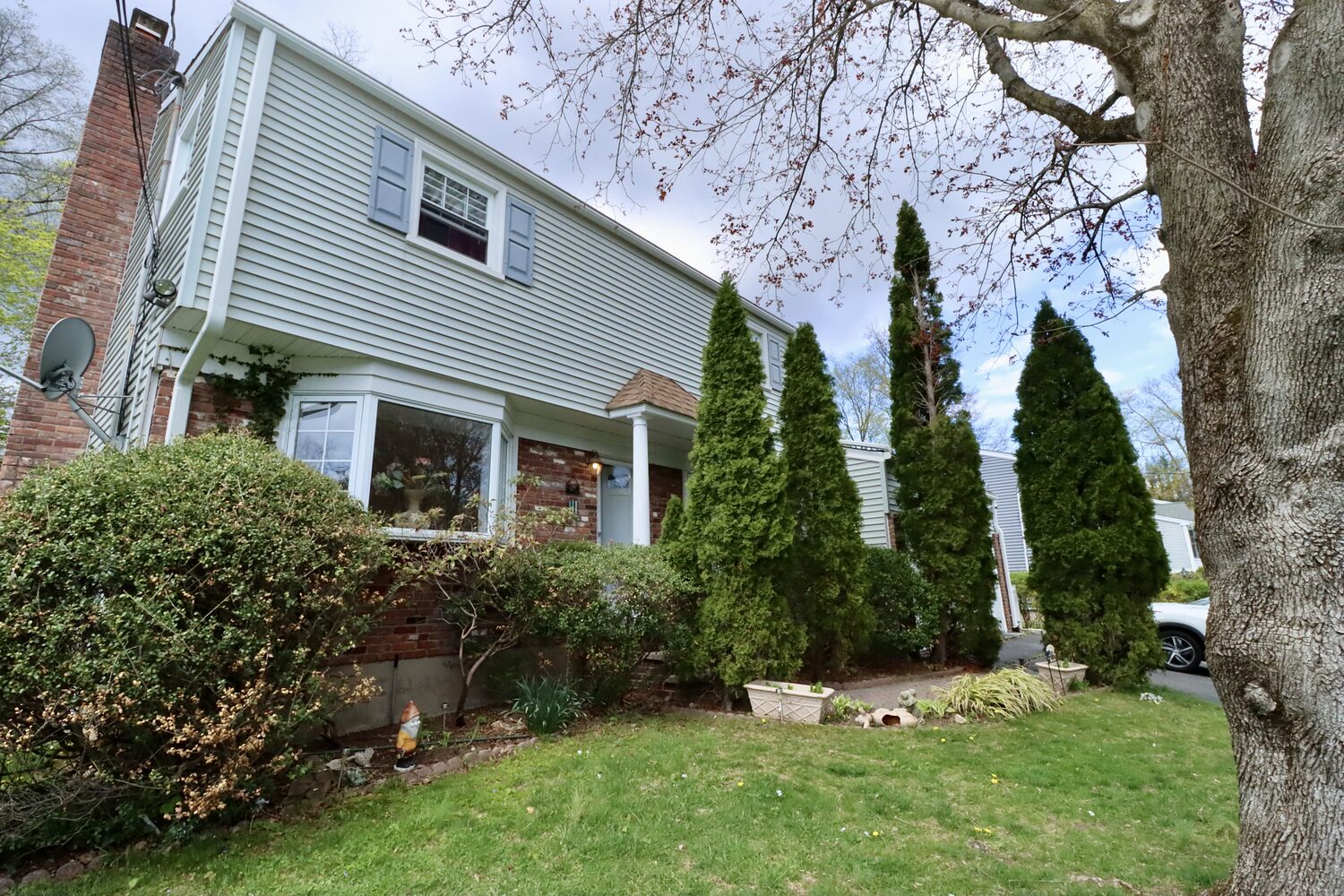
The median construction year for a Stamford home sits around 1973, and roughly a third of the city's housing was built between the 1940s and 1960s. That's not a knock on the houses — a well-maintained post-war colonial can be a terrific buy — but it does mean the inspection carries more weight than it would in a suburb full of 2010s-era builds. Older homes have older systems. Some of those systems are fine; others are ticking clocks. The only way to know which is which is a thorough inspection by someone who knows what to look for in a mid-century New England home. If you're earlier in the process, my step-by-step buyer's guide for Stamford covers the full sequence from search to closing.
The Big-Ticket Items Inspectors Find Most Often
Not every issue shows up in every house. These are the ones I see come up most frequently in Stamford homes built before 1980:
- Knob-and-tube wiring. Present in some homes built before roughly 1940. The wiring itself isn't automatically dangerous, but the insulation grows brittle with age — and if a previous owner added attic insulation without re-routing the wiring, there's a genuine fire risk. Many insurance carriers will refuse to write a policy on a home with active knob-and-tube, or charge a significant premium. Full rewiring typically runs $8,000–$20,000 depending on home size and accessibility. Get a licensed electrician's quote before you negotiate anything.
- Abandoned underground oil tanks. Homes built before the 1970s often heated with oil, and the storage tank was frequently buried in the yard. Connecticut regulations don't require removal of a non-leaking tank, but an aging tank's risk of leakage rises over time — and a confirmed release can trigger a remediation bill well above $20,000. If a tank is found or suspected, ask for an oil-tank sweep and independent soil sampling before you close.
- Lead paint and asbestos. Any home built before 1978 may contain lead-based paint. Homes from the 1950s and 1960s commonly have asbestos in floor tiles, pipe insulation, or textured ceilings. Neither is an automatic dealbreaker, but proper abatement carries real costs, and disclosure requirements apply.
- Galvanized plumbing and cast-iron drains. Galvanized steel pipes corrode from the inside out; by the time the exterior looks bad, water flow is often already severely restricted. Cast-iron drain lines from this era are frequently nearing the end of their useful life as well.
- Basement moisture and foundation issues. Stamford's topography and soil conditions make water management around foundations a recurring concern. Efflorescence on basement walls, rust staining, and a sump pump running more than it should are all worth taking seriously.
Radon and Water Quality: The Add-Ons Worth Paying For
A standard home inspection doesn't include radon or water-quality testing — those are priced separately, and in Fairfield County, they're worth ordering. Elevated radon levels have been documented throughout the county, and the geology in parts of Stamford can concentrate it in lower levels of the home. If the property uses a private well — less common in Stamford proper, more common on the city's outer edges — also test for coliform bacteria, nitrates, and radon-in-water. Municipal water systems are treated and aerated before the water reaches your tap, which greatly reduces radon-in-water exposure; private wells operate on an entirely different risk profile. Ask your inspector upfront exactly what's included in the base fee and what costs extra.
What a Home Inspection Costs in Stamford, CT
For most single-family homes in Stamford, base inspection fees run $350–$550. The final number depends on the home's square footage, age, and which inspector you hire. Add-ons are priced separately: radon testing typically costs $100–$200; an oil-tank sweep (a metal-detector scan of the yard) usually runs $100–$175; a water-quality panel can add $100–$300 depending on what's being tested.
A buyer who orders the full suite on a 1960s Stamford colonial might spend $700–$950 in inspection fees before closing. Against a median sale price near $700,000 — per Resideline's August 2026 data — that's a small fraction of the transaction. The catch: the report is only valuable if you actually use it. For a current read on what homes in different price ranges are going for right now, see the live Stamford market snapshot.
How to Use the Report to Negotiate — Without Blowing Up the Deal
Connecticut's standard inspection contingency gives buyers roughly 7–10 days to respond after receiving the report. Your options: request repairs, ask for a price reduction or closing credit, or walk away. What you cannot do is use inspection findings as a pretext to renegotiate a price you already agreed to in good faith — sellers see through that quickly, and in a competitive market it tends to kill deals that were otherwise salvageable.
- Prioritize health-safety and structural items. Knob-and-tube wiring, active oil-tank leaks, major foundation movement, a failing roof — these are legitimate asks. Peeling caulk around a window is not.
- Ask for credits, not repairs. A seller-managed repair tends to be the cheapest repair. A closing credit lets you hire your own contractor and keep whatever's left. Sellers often prefer this arrangement too — it's cleaner for them at closing.
- Bring real numbers to the table. Get an electrician's estimate before negotiating on the wiring. Get a remediation quote before negotiating on the tank. Vague inspection language produces vague offers; a contractor's written estimate produces a real number to negotiate against.
- Set your walk-away threshold before the report arrives. Decide in advance what total remediation cost makes the deal unworkable. That decision is much harder to make rationally once you're emotionally attached to a specific house.
What the Inspector Won't Tell You
A home inspection is a visual survey of accessible systems on a single day. It is not a structural engineering report, not a warranty, and not a guarantee of anything. Inspectors won't move furniture, open walls, or run the HVAC for hours to stress-test performance. They flag what's visible and what looks suspicious. A buried oil tank that scans clean today is not certified to hold for another decade.
Significant findings usually warrant specialist follow-up: an environmental firm for tank concerns, a structural engineer for foundation cracks you're not sure about, a licensed electrician for any active knob-and-tube. Those consultations cost money — but the knowledge, and the negotiating clarity it creates, is typically worth far more than the fee. Contact me once you have the report in hand; figuring out which findings are worth fighting over and which to let go is a conversation I have with buyers every week.
Talk Through Inspection Strategy Before You Write the Offer
The best time to think about inspections is before you make an offer, not after a 60-page report lands in your inbox at 9 p.m. I help buyers throughout Stamford decide which tests to order, how to read the findings, and how to structure a repair request that doesn't blow up a deal worth saving. Reach out here — or start with my guide to buying a home in Stamford, CT.
FAQ
How much does a home inspection cost in Stamford, CT?
A standard single-family inspection in Stamford typically runs $350–$550 depending on home size and age. Add-ons — radon testing, an oil-tank sweep, a water-quality panel — can bring the total to $700–$950 on older properties. Against a median sale price near $700,000, it's a small but high-leverage expense.
What issues do home inspectors most commonly find in Stamford homes?
Given that a large share of Stamford's housing was built in the post-war decades, inspectors frequently encounter knob-and-tube wiring, abandoned underground oil tanks, galvanized plumbing, and chronic basement moisture. Lead paint is possible in any home built before 1978; asbestos-containing materials are common in homes from the 1950s–1970s.
Can I negotiate repairs after a home inspection in Connecticut?
Yes — Connecticut's standard inspection contingency typically gives buyers 7–10 days to request repairs, a price reduction, or a closing credit, or to walk away. Sellers aren't required to agree, but significant findings like active oil leaks or knob-and-tube wiring often do shift negotiations. Focus requests on health-safety and structural items; skip cosmetic complaints.