
Stamford has one of the most active new-construction pipelines in Connecticut, from high-rise condos in the South End to scattered single-family lots in North Stamford. That's good news for buyers who want modern finishes, lower maintenance, and a warranty. It's more complicated news for anyone who assumes the process works like a standard resale purchase — because it doesn't.
Why Stamford Has So Much New Construction Right Now
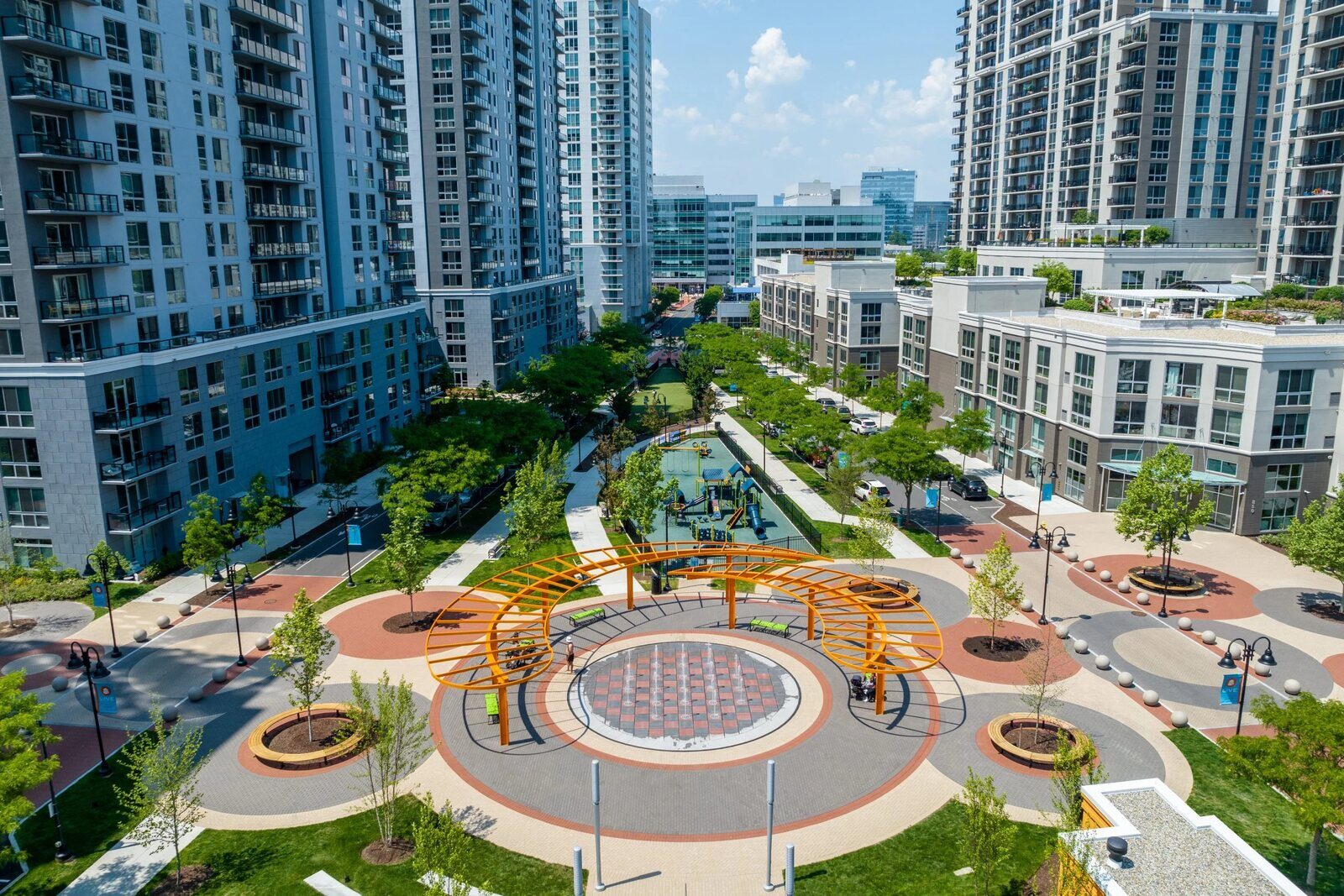
Stamford has been one of the most active development markets in Connecticut for over a decade, and the pipeline is still open. The flagship example is Harbor Point — a transit-oriented, mixed-use project in the South End built on a former brownfield site adjacent to Stamford Harbor. The plan calls for roughly 4,000 residential units, more than 400,000 square feet of retail, and more than 11 acres of parks and public space. More than 2,700 units had been delivered as of the most recent public count, and construction continues.
Beyond Harbor Point, Downtown Stamford has seen continued condo and mixed-use infill, the East Side has several projects that broke ground in 2023–2024, and North Stamford has smaller luxury subdivisions and single-family lot development. The overall resale market has absorbed much of this new supply. Redfin shows a citywide median sale price of $712,000 as of mid-2026, up 0.3% year-over-year. Builders are building because buyers keep buying.
The demand drivers are durable: Metro-North express service puts Grand Central roughly 50 minutes away, Stamford's District A mill rate (about 23.3 for FY 2025-26, an effective rate of roughly 1.6–1.8% on market value) runs meaningfully below comparable Westchester communities across the state line, and the city's job base has diversified well beyond its old financial-sector anchors.
What Makes New Construction Different From a Resale Purchase
In a resale transaction, you and the seller negotiate using a standard Connecticut purchase and sale agreement. When you buy new construction, you sign the builder's contract — a document their attorneys wrote to protect the builder. That single difference has real consequences:
- Completion dates are estimates, not guarantees. Most builder contracts permit substantial flexibility on delivery timelines. A phase promised for Q1 can slip to Q3 without triggering any right to exit.
- Change orders add cost. Upgrade selections made after signing often carry a markup above the model-home price sheet. Get any verbal commitments in writing before you sign the contract.
- Finish substitutions happen. If specified materials are backordered or discontinued, most contracts permit substitutions of "equal or greater value" — language that is difficult to enforce after the fact.
- Appraisal contingencies are often absent. If you buy pre-construction and the market softens by delivery day, your appraisal may come in below contract price. Without a contingency, you cover the gap out of pocket or forfeit your deposit trying to exit.
None of these are reasons to avoid new construction. They're reasons to read the contract carefully and have a real estate attorney review it before you commit. That step is not optional.
Deposits and What Connecticut Law Actually Says
Resale earnest money in Connecticut typically runs 1–2% of the purchase price. Builder deposits commonly start at 5% and can reach 10% or more, structured in tranches that become non-refundable at defined milestones. Deposit size and refundability for new-construction purchases are governed entirely by the builder's contract. The one-third guidance referenced in some home improvement contract materials does not apply to new-home sales contracts, which are regulated separately and carry no statutory deposit cap.
Before you write a check, understand: which portion is held in escrow versus released to the builder immediately, the exact conditions under which you can recover your deposit, and whether your financing contingency actually protects you if your qualification or rate changes between signing and closing. These are not hypothetical concerns when builds can run twelve to eighteen months.
Timelines: What to Realistically Expect
A finished condo in a completed building closes in roughly 30–45 days — essentially a resale transaction. A unit in a building currently under construction may be six to eighteen months out. A true build-to-suit on a lot you've selected can run two years from contract to certificate of occupancy.
During a long build window, your financing needs active management. Most conventional lenders won't hold a rate lock longer than 60–90 days. If your builder runs behind — and delays are common in active construction markets — you may need to extend or re-lock at cost. Many builders offer financing through preferred lenders with extended lock programs; compare those rates and fees against outside options before committing, since a lower rate sometimes comes with origination costs that offset the savings.
If you have a home to sell, aligning that closing with a new-construction delivery date is genuinely difficult. Plan for bridge housing, a rent-back negotiation with your resale buyer, or a contingency structure — and understand that most builders won't accept a home-sale contingency on a presale contract.
Bring a Buyer's Agent — and Bring Them Early
The builder's on-site sales agent works for the builder. They are often knowledgeable and can be helpful, but their job is to sell you that specific community at the best terms for their employer. You need your own representation.
The timing detail that catches buyers off guard: most builder agreements specify that your agent must be registered on your file at or before your first visit to the sales office to remain eligible for a commission. Walk in alone to "just look around," ask questions, share contact information — and you may lose independent representation at no cost to you. Bring your agent from the very first conversation, even if it feels premature.
A buyer's agent who knows the local new-construction market can tell you where a project sits in its sales cycle, flag the contract clauses worth pushing back on, and connect you with an attorney before you commit. Learn more about how I work with buyers on the Stamford home buying guide.
Where New Construction Is Happening in Stamford
As of mid-2026, the most active zones are:
- South End / Harbor Point: The city's largest mixed-use development, primarily rental buildings with some for-sale condos in delivered phases. Walkable to the Stamford Transportation Center and the waterfront.
- Downtown: Condo and mixed-use infill, including adaptive reuse of former commercial buildings. Strong walkability and close to Metro-North.
- North Stamford: Scattered single-family lot development and smaller luxury subdivisions. More suburban in character, larger lots, higher price points.
- East Side: Earlier-stage revitalization with projects that broke ground in 2023–2024. Pricing has generally run below the downtown condo market in comparable configurations.
Pricing across these areas varies considerably by location, building, floor, and phase. For a live read on what's available and what's actually under contract, reach out directly — list prices in active phases can lag or lead market conditions in ways that matter before you make an offer. For broader context on where the resale market stands, see the Stamford market overview.
A Word on Builder Incentives
Builders offer incentives — upgrade packages, rate buydowns, closing cost contributions — but rarely advertise them publicly. They concentrate at two points in a project's life: the early presale phase, when the builder needs to hit a threshold to unlock construction financing, and the tail end of a sellout, when they need to clear the last few units. Buyers who arrive mid-phase typically pay full price and take standard finishes, effectively subsidizing both ends. Knowing where a project sits in its sales cycle before your first visit gives you real leverage. That's something I track.
Ready to Look at New Construction in Stamford?
Builder sales offices are designed to generate momentum toward a decision. Before you walk in, it helps to know which questions to ask, which contract terms to flag for your attorney, and whether a given project's pricing makes sense relative to comparable resale options nearby. That's the conversation I have with buyers before they commit to anything. Send me a message or call and we can cover your specific situation — no pressure, just an honest read before you sign anything.
FAQ
How much deposit is required to buy new construction in Stamford, CT?
Builder deposits for new construction in Stamford typically run 5–10% of the purchase price—substantially larger than the 1–2% earnest money common in resale transactions. Connecticut law does not cap deposits for new-home sales; deposit size and refundability are governed entirely by the builder’s contract, not a one-third rule that applies only to home improvement contracts. Have a real estate attorney review the agreement before you sign.
Do I need a buyer's agent to buy new construction in Stamford?
You do not need a buyer's agent to purchase new construction in Stamford, though having one can be beneficial. The deposit amount and refundability are determined solely by the builder’s contract, not by a statutory one-third rule, which applies only to home improvement work, not new-home sales. The builder’s sales staff represents the builder’s interests, not yours, so bringing your agent from the start can help ensure your needs are prioritized.
How long does it take to close on a new construction home in Stamford?
Closing timelines for new construction homes in Stamford vary widely. A finished unit in a completed building can close in 30–45 days, similar to a resale. Units under active construction typically take 6–18 months, while custom builds can take up to two years from contract signing to certificate of occupancy. Deposit amounts and refundability are determined by the builder’s contract, not state law, and the one-third deposit guideline applies only to home improvement work, not new-home sales.