
Stamford's housing market has a seasonal rhythm, but it's been running differently than the national narrative for several years. This guide covers what current data actually shows about each season, where the genuine slow windows are, and why Fairfield County's supply crunch is forcing sellers and their agents to rethink standard timing advice.
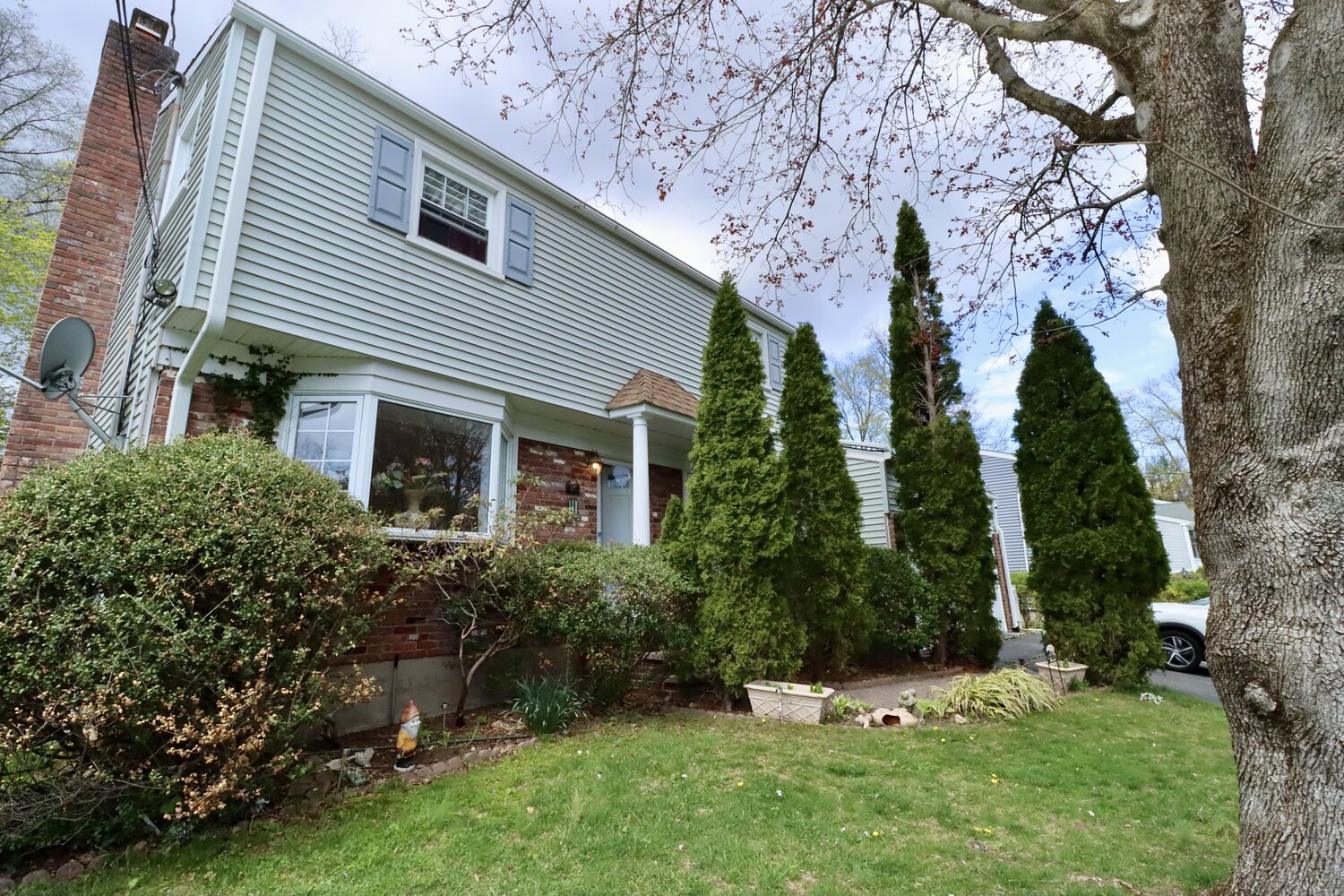
Why Spring Is Still the Benchmark
Spring is when Stamford's housing market shifts into high gear, and the numbers reflect it clearly. In spring 2025, new listings across Fairfield County climbed from roughly 493 in February to 926 in April, according to SmartMLS data, while median days on market dropped from 46 in February to around 30 by April. Buyers who spent the winter browsing online hit the streets in March and April — and they arrive motivated.
Several forces converge at once. Buyers who want to close before the school year ends add urgency to the spring calendar. Corporate relocations from New York City — a genuine demand driver in Stamford — tend to follow spring timelines. Longer daylight hours make homes photograph better and show more appealingly. And the general psychological reset of warmer weather moves fence-sitters in a way that a gray February rarely does.
If you have the flexibility to choose your listing date, late March through the third week of May typically places your home in front of the largest pool of motivated, qualified buyers Stamford produces in any given year. Competing offers are more common in this window, and sale-to-list price ratios tend to favor sellers. That said, this advantage isn't unconditional — more competing listings also come to market in spring, so preparation and pricing still determine outcomes.
The Case for a Fall Listing
September and October deserve more credit than they usually get. The buyers who didn't find anything in spring are still hunting — often more motivated and increasingly frustrated after months of losing out. Meanwhile, many sellers hold off until the following spring, which means fall inventory is comparatively lean. That scarcity can work in your favor.
Autumn light can also flatter Stamford's tree-lined neighborhoods in ways that bare February branches cannot. Properties with substantial yards or mature landscaping often show at their best before the leaves drop entirely. If you've been on the fence, early fall is a more serious window than its reputation suggests.
November is where things start to soften. By Thanksgiving, buyer urgency drops, the pool narrows, and a home accumulating days on market picks up a stigma that can follow it into the new year. If you aren't under contract by mid-November, think carefully about whether to hold the listing active through the holidays or pause and relaunch in mid-January when fresh buyer energy returns.
How Low Inventory Changes the Math
Most seasonal timing guides were written for a balanced market. Stamford's market has not been balanced in years. Single-family inventory remains at historically low levels, and regional data puts Fairfield County's overall for-sale inventory down by more than half compared to pre-pandemic levels. Through most of 2025, active inventory across the county sat below two months of supply in most price segments — roughly a third of what economists consider a balanced market, per SmartMLS data. That structural shortage means motivated buyers cannot simply wait for a better spring listing if nothing comparable is available.
The result: well-priced homes have been selling at or above their asking prices in well under a month across all seasons in Stamford, not just spring. The spring advantage is real, but the gap between a strong spring listing and a strong fall listing has narrowed considerably. If you are financially and logistically ready to sell today, waiting six or eight months for a "better" spring window is not the obvious win it once was — especially when you factor in carrying costs, market-rate uncertainty, and the possibility that new competing inventory materializes before you list.
The rate-lock effect compounds the supply picture. Many Stamford homeowners who refinanced at historically low rates are reluctant to trade that mortgage for a current one, keeping supply constrained regardless of season. That dynamic benefits active sellers year-round, not just in spring.
Windows to Approach with Caution
- Mid-November through January: Buyer traffic drops meaningfully. Price reductions during this window are visible to algorithm-driven search tools and can follow a listing into the new year if you have to relist. If you must go to market in this period, price sharply from day one rather than testing the market high and adjusting down — the first week of activity matters most.
- Late July through mid-August: Stamford's buyer pool doesn't vanish, but it thins. The urgency of closing before school starts has passed, corporate transfer cycles have settled, and a portion of qualified buyers are traveling. Showings happen; the competitive intensity of spring does not.
- Immediately after a mortgage-rate spike: A sudden rate increase can compress buyer purchasing power quickly and pause the market for weeks while buyers recalibrate budgets. This risk exists regardless of season, but it's worth monitoring if you're planning a fall or winter listing and rates are volatile.
One counterpoint on the winter window: it is slow for volume, but it is also when inventory bottoms out. A well-priced home in December or January faces the least competition it will see all year, and the relocation-driven buyers Stamford reliably draws — corporate transfers, New York City movers — don't stop for the holidays. Winter selling is a narrower game, not a hopeless one; it just leaves less room for pricing mistakes.
What Actually Drives Your Sale Price
Timing is one variable among several, and for most Stamford homes, it's not the most consequential one. The factors that tend to produce the widest price variation are:
- Condition and presentation: Homes that show well — freshly painted, professionally photographed, decluttered — attract more offers in every season. A spring listing with deferred maintenance will consistently lose to a well-prepared fall listing at most price points.
- Day-one pricing accuracy: Stamford buyers and their agents run comparables within hours of a new listing going live. The first seven to ten days are your highest-traffic window. Overpricing to "leave room to negotiate" typically means missing that window and watching the listing go stale — a problem that compounds in slower seasonal periods.
- Location within Stamford: North Stamford single-family values track very differently from downtown condos or properties in other pockets of the city. A single citywide median blends home types and neighborhoods in ways that can mislead. For a realistic sense of where your specific address sits right now, request a live comparable sales report.
For a broader read on what's driving Stamford pricing, the Stamford market overview covers current price trends and absorption rates by home type. If carrying costs factor into your timing decision, the Stamford property tax guide has the current mill rate and how to estimate your annual bill. And if buyers on the other side of your transaction want to understand the purchase process in Connecticut, the Stamford home-buying guide walks through offers, inspections, and closings step by step.
Frequently Asked Questions
Is spring really the best time to sell a house in Stamford, CT?
Spring — roughly late March through May — is Stamford's most active selling season, and April and May are historically the two strongest listing months. Days on market compress, competing offers are more common, and homes regularly sell at or above asking price. That said, Stamford's persistently low inventory has made fall listings more competitive than they used to be, so the spring advantage, while real, is narrower than it was five years ago.
How does Stamford's low inventory affect when I should list my home?
With Fairfield County inventory far below historical norms and single-family homes in Stamford remaining in short supply, motivated buyers are acting quickly. Well-priced homes have been selling rapidly across all seasons, so listing now can be advantageous. Waiting for a spring window may not offer the same benefits it once did, given ongoing competition and carrying costs.
What time of year should I avoid listing my Stamford home?
Mid-November through January is the softest window for showings and offers in Stamford. Late July through mid-August is also slower than spring or early fall. If you must list in either window, accurate day-one pricing matters more than in peak season — overpricing in a slow period is especially costly because stale listings lose the attention they'd otherwise recover in spring.
How long does it take to sell a house in Stamford?
Well-prepared, correctly priced homes in Stamford have generally been going under contract in roughly two to four weeks. Overpriced homes, or homes that needed prep work they didn't get, can sit 60 to 90 days or more before a price cut or a sale. The fastest lever you control is day-one pricing accuracy — starting high and cutting later costs both time and money in any season.
Should I renovate before selling my Stamford home?
Generally no — not major projects. The return on a big pre-sale renovation rarely equals its cost. What does pay off: fresh paint, professional cleaning, decluttering, small repairs like leaky faucets and scuffed trim, and strong photography. A new kitchen is almost never worth it just to sell. A walkthrough of your specific home will sort the fixes that matter from the ones that don't.
What are typical closing costs for sellers in Connecticut?
Connecticut sellers typically pay agent commissions, the real estate conveyance tax, attorney fees, and prorated adjustments. The conveyance tax is tiered: the state charges 0.75% on the first $800,000 of the sale price (1.25% above that), and Stamford adds a municipal 0.35% on the first $1,000,000 (0.50% above). All-in, seller-side costs commonly land around 7–10% of the sale price depending on the commission structure — the Stamford closing costs breakdown has the full line-by-line picture. Ask me for a real net sheet before you commit to a list price.
Talk Timing Before You Decide
The best time to sell is when your circumstances, your home's condition, and market conditions line up — not when a seasonal chart says so. I can pull a current comparable sales report for your specific address, give you an honest read on whether listing now or waiting for a seasonally stronger window makes more sense, and walk through any preparation steps that could meaningfully affect your outcome. No pressure — just a straight conversation with someone who works this market every day.