
A lot of would-be buyers count themselves out of Stamford because they think they need 20% down. For most people, that's not true — and the gap between "what I think I need" and "what I actually need" is often the difference between renting another year and owning now. Here's the honest breakdown.
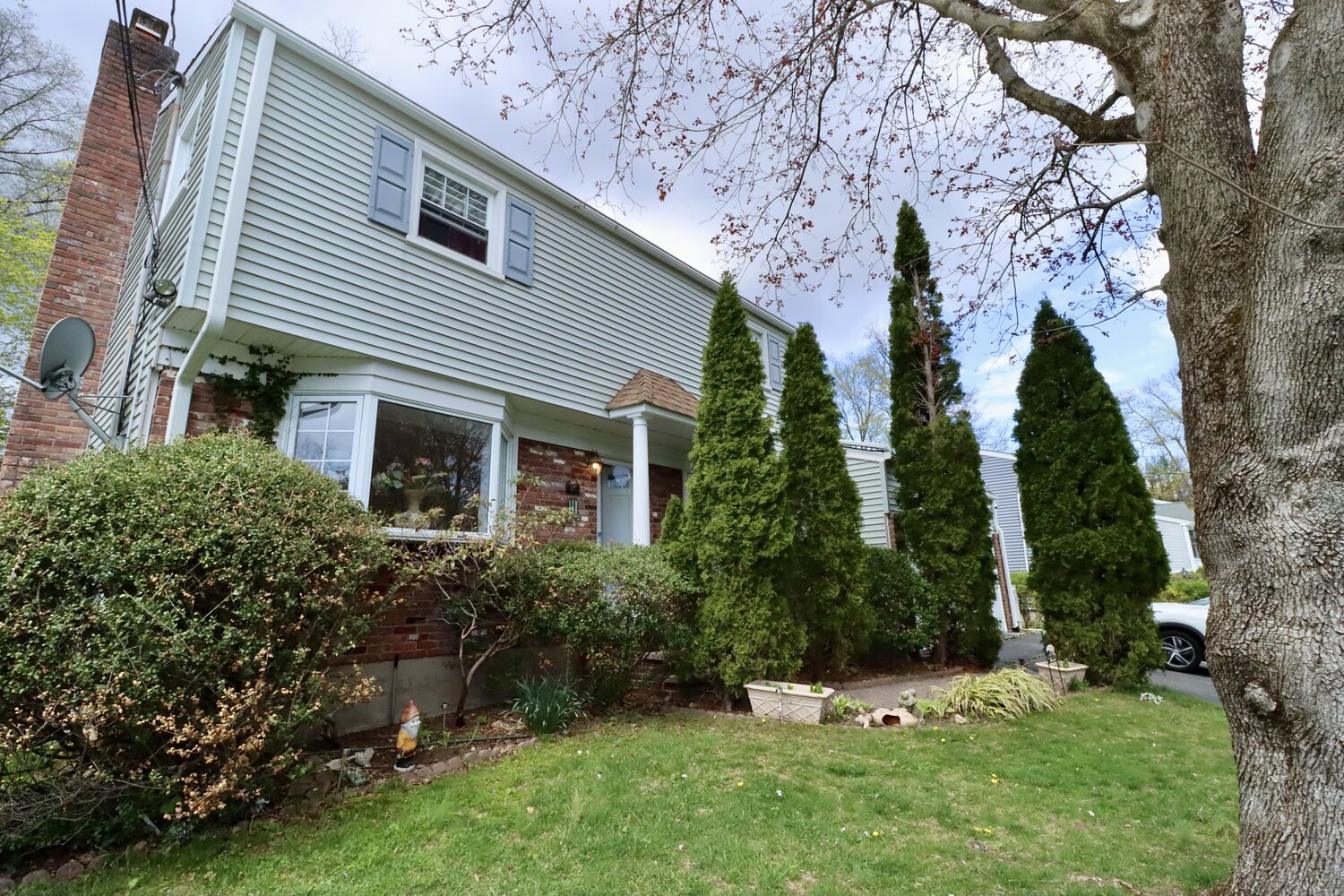
What each down payment level looks like
Because Stamford is a high-priced market, small percentages translate to meaningful dollars — so it pays to know your options rather than defaulting to 20%.
| Down payment | On $710K home | Loan type | Key notes |
|---|---|---|---|
| 3% | ~$21,300 | Conventional | Lowest cash outlay; PMI required |
| 3.5% | ~$24,850 | FHA | Lower credit scores OK; FHA mortgage insurance applies |
| 5–10% | ~$35,500–$71,000 | Conventional | Smaller loan, lower PMI; keeps cash reserves intact |
| 20% | ~$142,000 | Conventional | No PMI; lowest monthly payment; strongest offer — not required |
| 0% | $0 | VA / USDA | Eligible veterans (VA) or qualifying areas/incomes (USDA) only |
Don't forget cash-to-close
Your down payment is only part of the cash you bring to the table. Cash-to-close is the full amount: down payment plus closing costs — lender fees, title, prepaid taxes and insurance, escrow setup, and a Connecticut real-estate attorney (closings here are attorney-handled). Those closing costs commonly add a few percent of the purchase price on top of your down payment. See closing costs in Stamford for the full picture, and budget for both so nothing surprises you at the table.
First-time buyer help worth checking
Before you assume you need a mountain of cash, look at the programs. First-time and income-qualified buyers may be eligible for Connecticut Housing Finance Authority (CHFA) options, which can include down payment assistance and below-market rates, plus certain other state and lender programs. Eligibility depends on income, price, and buyer status — I can connect you with local lenders who work with these programs regularly.
How to decide your number
The "right" down payment balances three things: the cash you have, the monthly payment you're comfortable with, and keeping a healthy reserve for moving, repairs, and life. More down means a lower payment and no PMI; less down keeps cash in your pocket and can get you in sooner. There's no universally correct answer — there's the one that fits your budget. A good local lender will model a couple of scenarios side by side, and I'll make sure the homes I show you actually fit the plan.
Find out what you really need
Tell me your budget and I'll connect you with a Stamford-area lender who can pin down your real down payment and cash-to-close — often lower than you'd guess — and then we'll look at homes that fit it.
→ Get set up to buy · What income you need → · How to buy a house in Stamford → · All Stamford buyer guides →
FAQ
How much of a down payment do you need to buy a house in Stamford, CT?
There's no single required number — it depends on your loan type. Many conventional loans allow as little as 3% down for qualified buyers, FHA loans require 3.5%, and VA and USDA loans can go to 0% for those who qualify. Putting 20% down lets you avoid private mortgage insurance (PMI). At Stamford's price levels, those percentages are large dollar figures — on a mid-range single-family home, 20% can run well into six figures — so most buyers put down less than 20% and pay PMI until they build enough equity. The right amount balances your available cash, your monthly payment, and keeping a reserve.
Can you buy a house in Stamford with less than 20% down?
Yes, and most buyers do. Conventional loans can go as low as 3% down and FHA as low as 3.5% for qualified buyers. The trade-off for putting less down is private mortgage insurance (PMI) on conventional loans, or mortgage insurance premiums on FHA loans, which add to your monthly payment until you reach enough equity. Putting less down also means a larger loan and higher monthly principal and interest. It's a real trade-off between cash now and cost over time — I can connect you with local lenders who'll model both for your budget.
What is cash-to-close, and how is it different from the down payment?
Your down payment is only part of the cash you need at closing. Cash-to-close is the full amount — down payment plus closing costs (lender fees, title, attorney, prepaid taxes and insurance, and escrow setup). In Connecticut, closings are attorney-handled, so an attorney fee is part of the total. Closing costs commonly run a few percent of the purchase price on top of your down payment, so budget for both. I always make sure buyers see their realistic cash-to-close before they fall in love with a home.
Is there down payment help for first-time buyers in Stamford, CT?
Yes. First-time and income-qualified buyers may be eligible for Connecticut Housing Finance Authority (CHFA) programs, which can include down payment assistance and below-market mortgage rates, along with certain other state and lender programs. Eligibility depends on income, purchase price, and buyer status. It's worth checking before you assume you need a huge down payment — I can point you to lenders who specialize in these programs and know how they work in Stamford.