
A recent decision by the Connecticut Supreme Court has confirmed the criminal conviction of a former Stamford Development Corporation (DCC) chairman, reinforcing the state’s stance on electoral integrity in local government. For Stamford residents, this case underscores the importance of transparency in civic leadership—especially in a city where development and public trust are closely linked. Whether you're a renter in a downtown apartment or a buyer eyeing a home near transit, understanding the legal and civic climate helps inform your decisions in one of Connecticut’s most dynamic housing markets.
What's happening
The Connecticut Supreme Court upheld the 2022 conviction of John Mallozzi, former chairman of the Stamford Democratic City Committee, on 14 counts of second-degree forgery and 14 counts of false statement in absentee balloting [2]. The charges stemmed from the 2015 municipal election, during which Mallozzi was found to have forged and submitted absentee ballot applications and ballots in the names of nearly three dozen individuals [4]. The trial court sentenced him to 13 months in prison, with execution suspended, two years of probation, and a $35,000 fine [4].
Mallozzi’s legal team challenged the conviction on multiple grounds, including the trial court’s refusal to allow a defense expert witness to rebut the handwriting analysis of state expert Greg Kettering [2]. The Appellate Court affirmed the conviction in June 2024, and the Supreme Court followed suit in July 2026, ruling that the trial court did not abuse its discretion in denying the defense’s request [2]. The Supreme Court noted that the defense had been informed of Kettering’s role and had access to his reports but chose not to consult him before trial [2]. The court also observed that Kettering’s own reports included caveats, stating the evidence “falls far short of that necessary to support a definite conclusion” [2]. Despite this, the court found the trial court’s decision to exclude the defense expert was within its discretion.
Mallozzi’s attorney, Stephan Seeger, stated he would pursue a motion for reconsideration based on the Supreme Court’s comments about potential rule changes in the judicial process [2]. However, no new legal action has been announced, and the conviction remains final.
The broader civic context
While the case centers on ballot fraud, it reflects a larger pattern of scrutiny over political conduct in Stamford’s public institutions. The city has seen a number of high-profile legal and regulatory developments in recent years, including zoning changes, large-scale development projects, and increased oversight of public officials [1]. The fact that a former party leader in a key civic role was convicted—especially in a case involving voter integrity—reinforces the need for accountability in local governance.
This case also highlights the role of expert testimony in criminal trials, particularly in cases involving handwriting analysis. The Supreme Court’s affirmation of the trial court’s decision to limit expert testimony may influence how future cases are handled, especially when defense teams seek to introduce new experts after disclosure timelines have passed. For residents, this means that the legal system continues to prioritize procedural fairness and the timely exchange of evidence.
What this means for Stamford buyers & renters
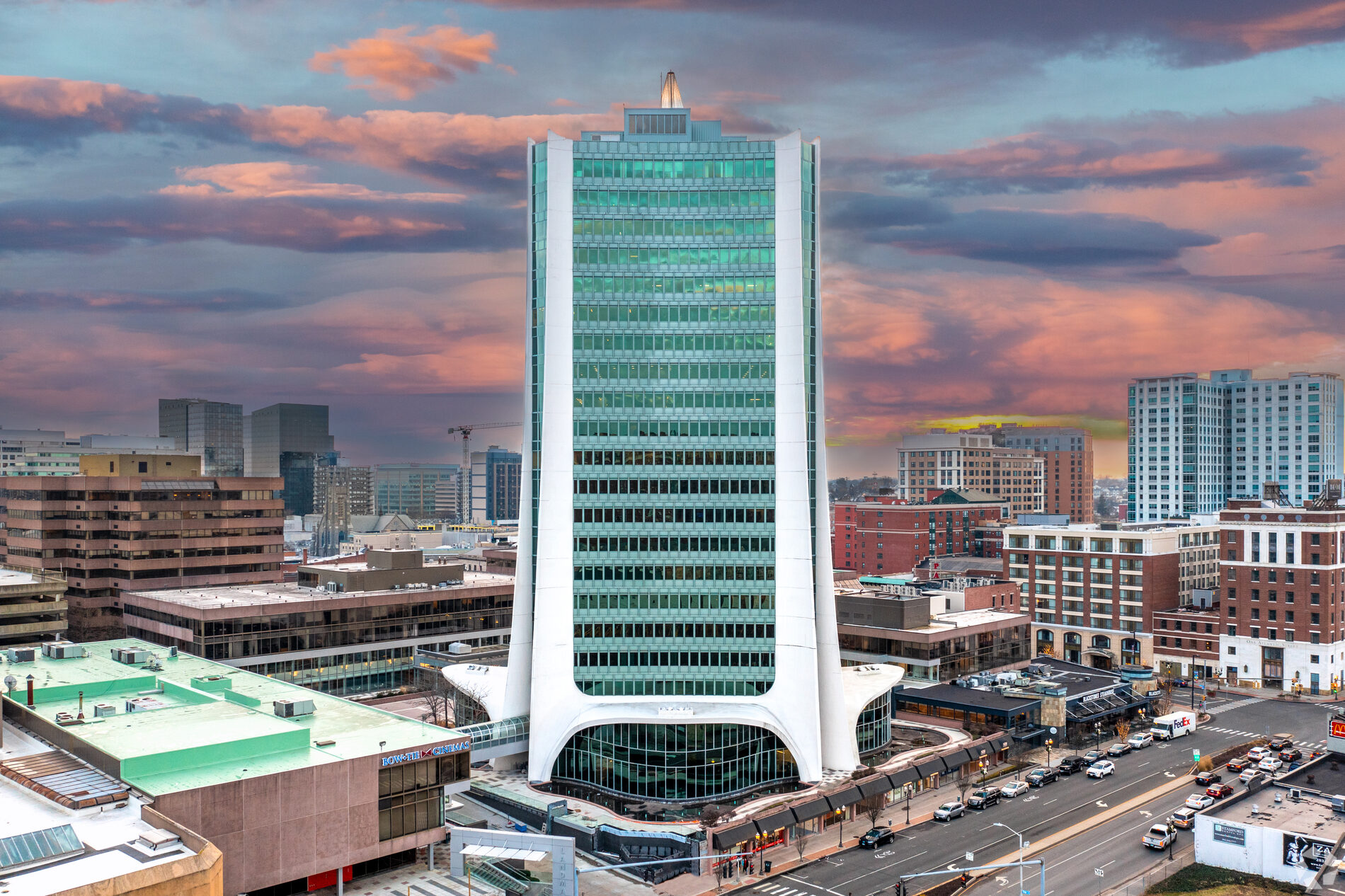
As a real estate professional in Stamford, I see this case not as a direct market signal, but as a reminder of the city’s evolving civic environment—and how that shapes long-term confidence in its neighborhoods. Stamford remains one of Connecticut’s most sought-after housing markets, driven by strong demand from remote workers, young professionals, and families seeking access to transit and urban amenities. The city’s downtown core, with its mix of residential towers, retail spaces, and walkable streets, continues to attract buyers and renters looking for convenience and connectivity.
The fact that a former public official was held accountable for misconduct—even after years of appeals—reinforces the perception that Stamford’s institutions are functioning, even under scrutiny. This kind of transparency can actually strengthen trust in the city’s governance, especially among those who value accountability in public leadership. For buyers and renters, that means a more stable environment where civic decisions—whether about zoning, development, or public services—are made with greater oversight.
That said, the case does not appear to have triggered any immediate changes in housing prices, rental rates, or development activity. The downtown market remains competitive, with rents in the high $200,000s for one-bedroom units and demand for walkable, transit-accessible homes remaining strong. While the conviction may influence public sentiment about political figures, it has not altered the underlying fundamentals of the real estate market.
In the long term, cases like this may encourage more robust civic engagement and better-informed decision-making among residents. When people see that accountability is possible—even for high-profile figures—it can foster a more engaged and informed community. That kind of environment tends to support stable, long-term housing markets, which benefits both buyers and renters.
Sources
- [Stamford Advocate – CT Supreme Court upholds conviction of former Stamford DCC chairman](https://www.stamfordadvocate.com/local/)
- [Stamford Advocate – CT Supreme Court upholds conviction of former Stamford Democratic chairman in ballot fraud case](https://www.stamfordadvocate.com/news/article/stamford-ct-john-mallozzi-ballot-fraud-appeal-22338812.php)
- [CT Examiner – Appellate Court Upholds Conviction in Stamford Ballot Fraud Case](https://ctexaminer.com/2024/06/07/appellate-court-upholds-conviction-in-stamford-ballot-fraud-case/)
- [CT Division of Criminal Justice – Press Release: Stamford Man Sentenced for Submitting Forged Absentee Ballot Applications and Ballots](https://portal.ct.gov/dcj/press-room/press-releases/11142022mallozzi)
- [Connecticut Judicial Branch – Decisions / Opinions](https://www.jud.ct.gov/decisions.htm)
- [Appellate Court Case Look-up](http://appellateinquiry.jud.ct.gov/)
Common questions
What was the Connecticut Supreme Court's decision in the Mallozzi case?
The court upheld the 2022 conviction of former Stamford DCC chairman John Mallozzi on 14 counts of forgery and 14 counts of false statements in absentee balloting, affirming the trial court’s decision to exclude a defense expert witness.
How does this affect Stamford renters and buyers?
The case reinforces transparency in local governance, contributing to long-term stability in Stamford’s housing market. While not impacting prices directly, it strengthens trust in civic institutions that influence zoning and development decisions.
What precedent does this set for future election cases in Stamford?
The ruling affirms the importance of procedural fairness and timely disclosure of expert testimony, setting a standard for how courts handle evidence in election-related criminal cases involving handwriting analysis.
Related on Downtown Stamford
More local context: the Stamford housing market, a block-by-block look at Stamford neighborhoods, and what it's like to live here. Questions about how this affects your move? Ask me directly.